

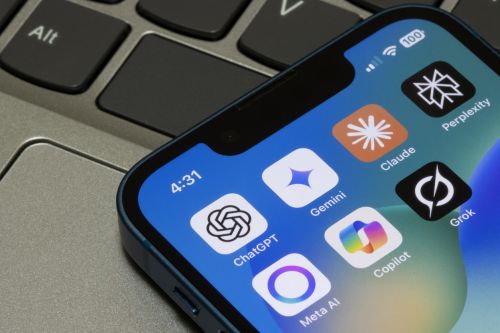
Artificial Intelligence (AI) is rapidly changing the way we live, work, and function in society and the divorce landscape is no exception to this transformation. The impact of AI on divorce is already being felt, from streamlining processes, providing new avenues or evidence, and introducing challenges for both clients and legal professionals. Having an understanding of AI’s capabilities, and its legal and ethical implications, is vital to successfully navigate today’s divorce process.
The following are several ways AI can impact divorce:
There are certain AI tools that you can use to help make the legal process easier and more cost-effective. For instance, you can use ChatGPT to provide you with an overview of the legal terms that will be used in your case. You can also use an AI tool to create checklists to help you organize the documents you will need to provide your attorney. However, it’s important to keep in mind that the information provided by platforms such as ChatGPT may not be state-specific or account for precedents in certain court cases, leading to accuracy issues. Despite the benefits, AI should never be used as a substitute for legal advice from experienced counsel.
AI systems can be used in divorce to analyze undervalued assets and identify dissipated marital property. Attorneys can now process vast amounts of financial data quickly and efficiently, extract information from bank statements and other financial documents, and uncover hidden income streams. In addition, AI tools can generate a detailed analysis of a spouse’s spending habits, model various asset division scenarios, and allow spouses to see the potential impact of various settlement options. While the use of AI tools in these areas can help attorneys cut back on time and billable hours, they can save their clients a substantial amount of legal fees.
One of the key areas where the impact of AI on divorce has been prevalent is child custody matters. Co-parenting apps such as Our Family Wizard have transformed how parents communicate, coordinate shared schedules, and document their cases. These apps can help parents:
Although these apps can offer many advantages, they are not without their drawbacks. Co-parenting apps should not be used as a replacement for mental health counseling or therapy. They also cannot solve the emotional or highly complex logistical issues that are often inherent in child custody matters. This is where the guidance of an attorney is crucial.
The impact of AI on divorce is also introducing new ethical and privacy concerns for spouses. Inputting personal data and details into AI tools such as ChatGPT means that this data may be stored, potentially breached, discovered by your spouse, or used as evidence in your case. This can be particularly concerning in cases involving domestic violence or abuse. It’s essential to take measures to safeguard your personal, financial, and family information.
With more people forming emotional bonds with AI companions or chatbots, AI is emerging as a new cause for divorce. When spending time interacting with an AI leads to emotional withdrawal by a spouse, unrealistic expectations, and trust issues, it can cause a marriage to deteriorate. In some cases, spending significant funds on premium AI subscription costs can also be cited as a factor contributing to strain in a marriage.
The impact of AI on divorce is constantly evolving and a skilled attorney can best advise as to the implications it can have in your case. At Duke Law Firm, P.C., our experienced divorce attorneys can help you navigate your case and leverage AI technology to your advantage. We invite you to call us at (585) 449-4987 or visit us online to schedule a consultation to learn how we can assist you.
© 2026 Duke Law Firm, P.C.
| View Our Disclaimer | Privacy Policy | Terms & Condtions